

Raising the Bar in Bicycle Brake Performance
Over the past decade, hydraulic disc brakes have taken the mountain bike world by storm – and their influence has...
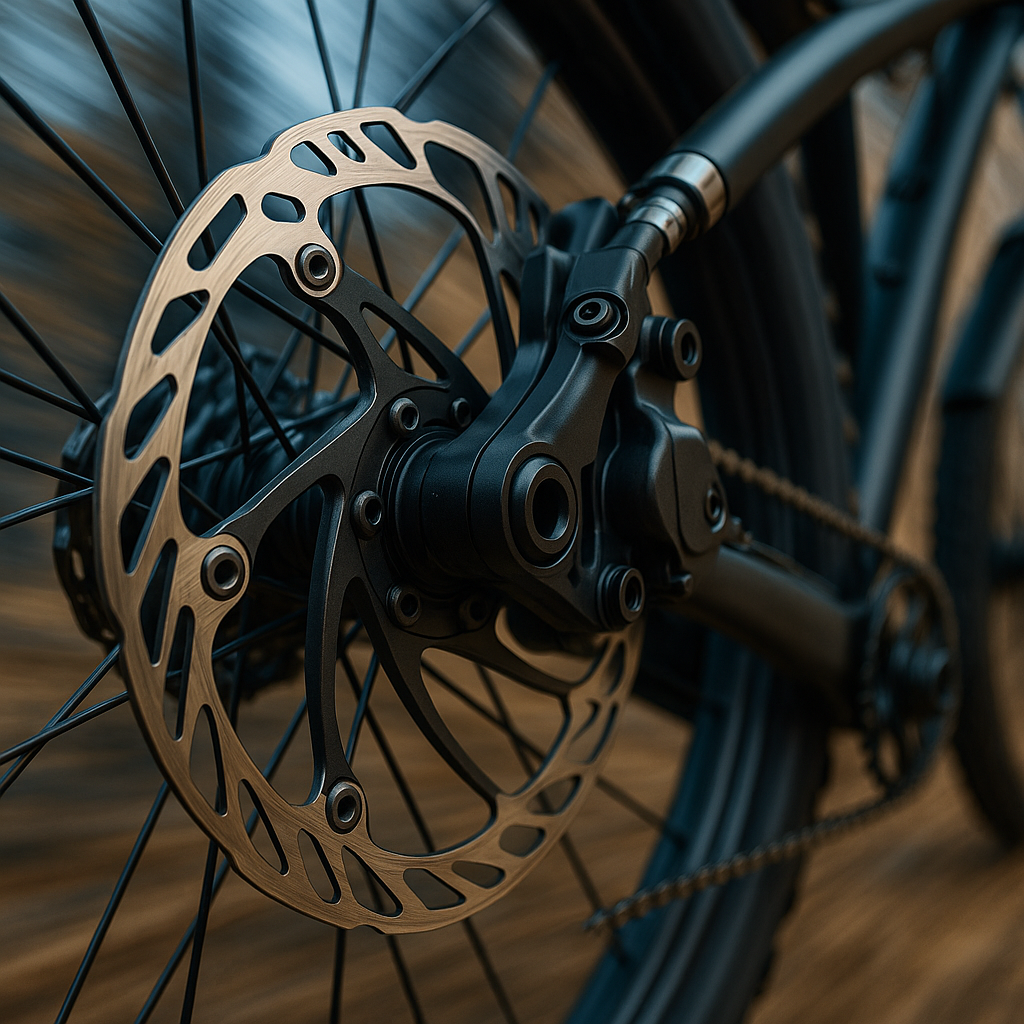
Over the past decade, hydraulic disc brakes have taken the mountain bike world by storm – and their influence has spread far beyond MTB into road, gravel, and e-bike segments. While their design shares some DNA with automotive braking systems, the demands of bicycle brakes are uniquely challenging.
One of the biggest talking points in the industry remains the choice between DOT brake fluid and mineral oil. Each has its strengths. Each has its advocates. And both can deliver exceptional performance when used in the right system. But when it comes to the needs of elite riders, there’s more common ground than you might think.
What Top Riders Demand
At the highest level, performance isn’t negotiable, it’s expected. Whether their system runs on DOT or mineral oil, riders are looking for three core attributes:
Performance in the Real World
For the end user, the benefits of high-performance brake fluid are tangible:
Ultimately, it’s about rider confidence. The right fluid doesn’t just stop the bike — it lets the rider brake later, ride faster, and push harder, knowing the system will keep up with their ambitions.
DOT vs Mineral Oil – Myths Riders Should Forget
The DOT-versus-mineral-oil debate has been around for years, and it’s easy to get lost in brand loyalty or outdated information. Here are three myths worth clearing up:
“Mineral is always better.”
Not true. Mineral fluids are generally perceived to be more environmentally-friendly, but this isn't necessarily the case. While DOT fluids are tightly regulated and need to meet specific standards, mineral oils are not, so their performance can vary wildly from brand to brand.
“Mineral oil brakes need less maintenance.”
Only partly true. Both systems require proper bleeding and care. While mineral oil is less hygroscopic (absorbs less water) than DOT, it is also more susceptible to air in the system. So, each requires proper care to guarantee the best performance.
“You can swap between DOT and mineral oil if you want.”
Never. The brake system is designed for one or the other, and mixing or switching can damage seals, reduce braking efficiency, and void warranties.
The real truth? For the rider, what matters most is that the fluid matches the brake design, and that the formulation has been developed to maintain feel, consistency, and safety under real-world riding conditions.
Where Orthene Fits In
At Orthene, we’ve spent decades at the forefront of brake fluid innovation supplying many of the brands riders already trust, often without them realising it. Our expertise in both DOT fluids and mineral oils means we can deliver the most advanced, precisely engineered formulations on the market, tailored to the exact needs of bicycle braking systems.
If you’re developing or refining a high-end braking system, we’d welcome the chance to discuss how we can help you deliver the performance your riders expect and deserve.
Blog
Our expertise and passion for quality ensures all our products meet and
exceed the highest national and international standards.