Our Team
Selection of Our Team Members
Lorem ipsum dolor sit amet, consectetur adipiscing elit. Nulla placerat eros ut posuere sodales. Mauris eu porta neque, non euismod ipsum. Nullam aliquet dui vitae tincidunt vulputate. Etiam ornare id risus vel commodo in et leo mollis.

John Doe
Executive Director
John Doe
Executive Director
John Doe
Executive Director
John Doe
Executive Director

Module Title
Amet minim mollit non deserunt ullamco est sit aliqua dolor do amet sint.
Velit officia consequat duis enim velit mollit.
Module Subtitle
Module Title
Amet minim mollit non deserunt ullamco est sit aliqua dolor do amet sint.
Velit officia consequat duis enim velit mollit.
Lorem Ipsum
Specification 1
Specification 2
Specification 3
Lorem Ipsum
Specification 1
Specification 2
Specification 3
Industry
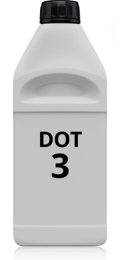
DOT 3 Fluid
The original brake fluid grade. Now mainly recommended for older vehicles.
DOT 3 Fluid
The original brake fluid grade. Now mainly recommended for older vehicles.

DOT 3 Fluid
The original brake fluid grade. Now mainly recommended for older vehicles.
DOT 3 Fluid
The original brake fluid grade. Now mainly recommended for older vehicles.
DOT 1 brake fluid is widely used both for factory fill and for the aftermarket. Its performance provides an improved safety margin over DOT 3 types while remaining compatible with DOT 3 fluids. Department of Transportation state that DOT 4 must have a minimum dry boiling point of 230⁰/446⁰F, a minimum wet boiling point of 155⁰/311⁰F and a Kinematic Viscosity at -40 °C of 1500 cSt maximum
We currently have 53 specifications available in this category
DOT 1 brake fluid is widely used both for factory fill and for the aftermarket. Its performance provides an improved safety margin over DOT 3 types while remaining compatible with DOT 3 fluids. Department of Transportation state that DOT 4 must have a minimum dry boiling point of 230⁰/446⁰F, a minimum wet boiling point of 155⁰/311⁰F and a Kinematic Viscosity at -40 °C of 1500 cSt maximum
We currently have 53 specifications available in this category
DOT 1 brake fluid is widely used both for factory fill and for the aftermarket. Its performance provides an improved safety margin over DOT 3 types while remaining compatible with DOT 3 fluids. Department of Transportation state that DOT 4 must have a minimum dry boiling point of 230⁰/446⁰F, a minimum wet boiling point of 155⁰/311⁰F and a Kinematic Viscosity at -40 °C of 1500 cSt maximum
We currently have 53 specifications available in this category
DOT 1 brake fluid is widely used both for factory fill and for the aftermarket. Its performance provides an improved safety margin over DOT 3 types while remaining compatible with DOT 3 fluids. Department of Transportation state that DOT 4 must have a minimum dry boiling point of 230⁰/446⁰F, a minimum wet boiling point of 155⁰/311⁰F and a Kinematic Viscosity at -40 °C of 1500 cSt maximum
We currently have 53 specifications available in this category
Industry
DOT 3 Fluid
The original brake fluid grade. Now mainly recommended for older vehicles.
DOT 3 Fluid
The original brake fluid grade. Now mainly recommended for older vehicles.
DOT 3 Fluid
The original brake fluid grade. Now mainly recommended for older vehicles.
DOT 3 Fluid
The original brake fluid grade. Now mainly recommended for older vehicles.
DOT 1 brake fluid is widely used both for factory fill and for the aftermarket. Its performance provides an improved safety margin over DOT 3 types while remaining compatible with DOT 3 fluids. Department of Transportation state that DOT 4 must have a minimum dry boiling point of 230⁰/446⁰F, a minimum wet boiling point of 155⁰/311⁰F and a Kinematic Viscosity at -40 °C of 1500 cSt maximum
We currently have 53 specifications available in this category
DOT 1 brake fluid is widely used both for factory fill and for the aftermarket. Its performance provides an improved safety margin over DOT 3 types while remaining compatible with DOT 3 fluids. Department of Transportation state that DOT 4 must have a minimum dry boiling point of 230⁰/446⁰F, a minimum wet boiling point of 155⁰/311⁰F and a Kinematic Viscosity at -40 °C of 1500 cSt maximum
We currently have 53 specifications available in this category
DOT 1 brake fluid is widely used both for factory fill and for the aftermarket. Its performance provides an improved safety margin over DOT 3 types while remaining compatible with DOT 3 fluids. Department of Transportation state that DOT 4 must have a minimum dry boiling point of 230⁰/446⁰F, a minimum wet boiling point of 155⁰/311⁰F and a Kinematic Viscosity at -40 °C of 1500 cSt maximum
We currently have 53 specifications available in this category
DOT 1 brake fluid is widely used both for factory fill and for the aftermarket. Its performance provides an improved safety margin over DOT 3 types while remaining compatible with DOT 3 fluids. Department of Transportation state that DOT 4 must have a minimum dry boiling point of 230⁰/446⁰F, a minimum wet boiling point of 155⁰/311⁰F and a Kinematic Viscosity at -40 °C of 1500 cSt maximum
We currently have 53 specifications available in this category
Yet another huge breakthrough for the racing industry as Orthene develop the world’s first DOT 4 racing brake fluid that boils over 330°C. This is now the highest boiling point brake fluid in the world that conforms to the DOT standards.
2020

Orthene develops the world’s first brake fluid specifically for Electric and Hybrid vehicles, named the DOT 5.1 EHV.
2019
Another specification added to the portfolio as Orthene develops the RR363® brake fluid for the early Rolls Royce and Bentley models.
2019
Another specification added to the portfolio as Orthene develops the RR363® brake fluid for the early Rolls Royce and Bentley models.
2019
5+
Lorem ipsum dolor sit amet, consectetur adipiscing elit.
40+
Lorem ipsum dolor sit amet, consectetur adipiscing elit.
50+
Lorem ipsum dolor sit amet, consectetur adipiscing elit.
25+
Lorem ipsum dolor sit amet, consectetur adipiscing elit.